


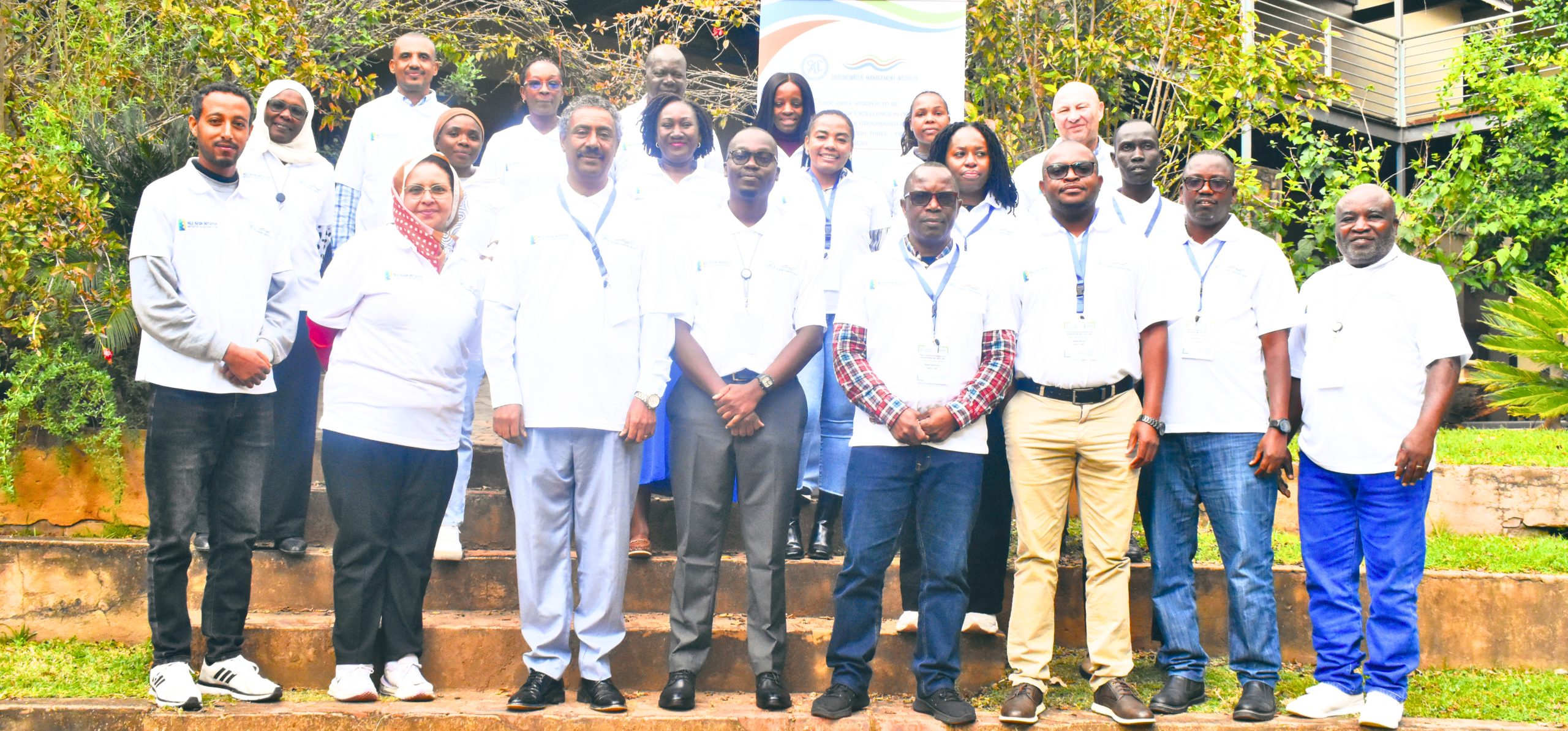
After a packed and productive week, the team paused to capture the moment, capping off a series of inspiring exchanges with a group photo to mark the occasion.
SADC-GMI and NBI: Bridging Borders for Groundwater Resilience
In a vibrant display of collaboration, the SADC Groundwater Management Institute hosted an energetic peer-to-peer learning exchange in Pretoria, South Africa, from 18 to 22 May 2026. This dynamic gathering brought together experts from the SADC-GMI and a powerful lineup of Nile Basin Initiative (NBI) partners, including Burundi, Ethiopia, Kenya, South Sudan, Sudan, Tanzania, Rwanda, and Uganda, to share knowledge and forge stronger regional connections.
The NBI-SEC and SADC-GMI officially joined forces through a landmark Memorandum of Understanding, establishing a powerful new framework for cooperative groundwater management, including the seamless integration of surface and groundwater systems. This recent knowledge exchange was designed to bridge regional experiences, uncover transferable lessons, and transform the shared vision into concrete, real-world actions to bring the agreement to life. This short article captures that momentum, distilling the week’s insights into a sharp, action-oriented roadmap to guide future strategy, fuel technical collaboration, spark resource mobilization, and deepen institutional dialogue.
To ensure the session was as practical and insightful as possible, both institutes carefully curated themes that enabled a direct, side-by-side comparison between the Nile Basin Initiative and the SADC Groundwater Management Institute. The session moved beyond simple status updates to dive into the ‘why‘ and ‘how‘ certain approaches have been adopted: exploring the specific conditions that drove success and identifying which lessons could be tailored to thrive in new regional contexts.
Our deep dive spanned five interconnected thematic pillars:
- Governance and institutional evolution
- Transboundary aquifer assessment
- Urban groundwater management and conjunctive use
- Data governance, monitoring, and information systems
- Environmental and social governance
Together, these focus areas formed a robust framework for dissecting everything from technical practices and legal landscapes to the practical hurdles and untapped opportunities for partnership under our new MoU.
Groundwater programming proved to be the ultimate touchstone for the exchange, highlighting how each institution masterfully bridges the gap between high-level regional mandates and tangible, country-level impact. During the discussions, it emerged that in the Nile Basin, the NBI model is evident in the work of countries such as Burundi, Rwanda, Sudan, Tanzania, and Uganda, with a focus on robust assessment, monitoring, capacity building, and the steady integration of groundwater into broader water planning. Meanwhile, SADC-GMI’s Phase II Program offers a distinct yet perfectly complementary approach, anchored in regional expertise, policy reform, aquifer assessment, and livelihood-focused subgrant projects. By establishing National Focal Groups across its Member States, the program creates a powerful foundation for real progress at the national level.
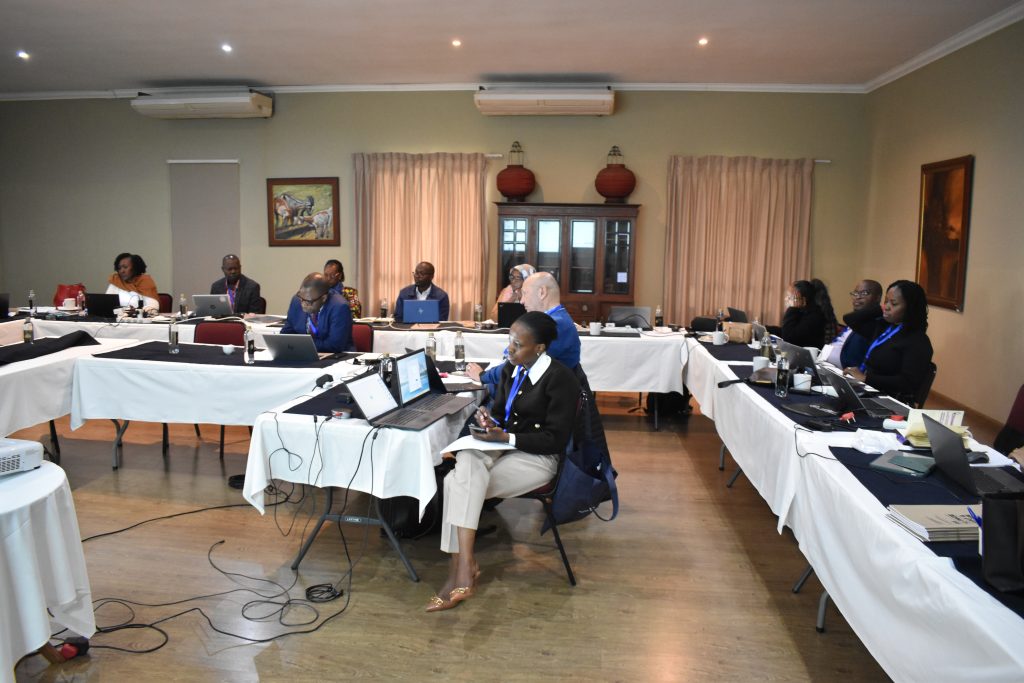
Bridging expertise across borders: delegates from both institutes unite to share vital insights and pave the way for a future of sustainable groundwater management in our regions.
The exchange underscored several vital, high-level takeaways:
- Groundwater is emerging as a strategic climate-resilience powerhouse across both regions, demanding management as part of a wider, integrated basin system rather than in isolation.
- Success in transboundary governance hinges on tightening institutional coordination, crafting fit-for-purpose policy frameworks, and embracing practical collaboration on monitoring, data transparency, and technical capacity.
- While the NBI and SADC-GMI navigate distinct landscapes, they share common hurdles: fragmented data, uneven monitoring, tight financing, and the persistent challenge of turning policy promises into ground-level results.
- This dialogue ignited clear potential for mutual growth, particularly in areas like transboundary aquifer assessment, groundwater information systems, managed aquifer recharge, urban management, and robust environmental and social safeguards.
The exchange extended well beyond the boardroom, with a hands-on field visit to Pretoria Fountain Springs, a vital lifeline for the City of Tshwane. Delegates were captivated by the site’s rich history and gained a newfound appreciation for its essential role in keeping the city hydrated.
For the Nile Basin, the path forward is clear: we must weave groundwater into the very fabric of basin planning and IWRM. This requires bolder institutional governance, sharpened monitoring, and transparent data sharing, all while anchoring conjunctive management, climate resilience, and GESI in every program design. Meanwhile, a massive opportunity awaits the SADC-GMI; by consistently tapping into the NBI’s proven success in basin-wide coordination and member-state implementation, the region can masterfully integrate groundwater into the broader landscape of regional water planning.
Eng. James, SADC-GMI Executive Director, wrapped up by thanking the Nile Basin delegates for their visit and highlighting how the exchange enriched everyone involved. He shared his belief that the session sparked genuine growth, leaving everyone transformed since the start. Meanwhile, Dr. Abraha Adugna Ashenafi of the Nile Basin Initiative expressed heartfelt gratitude to SADC-GMI for their warm hospitality and the valuable insights shared. He emphasized that the NBI is eager to strengthen this partnership and continue building on the knowledge gained.
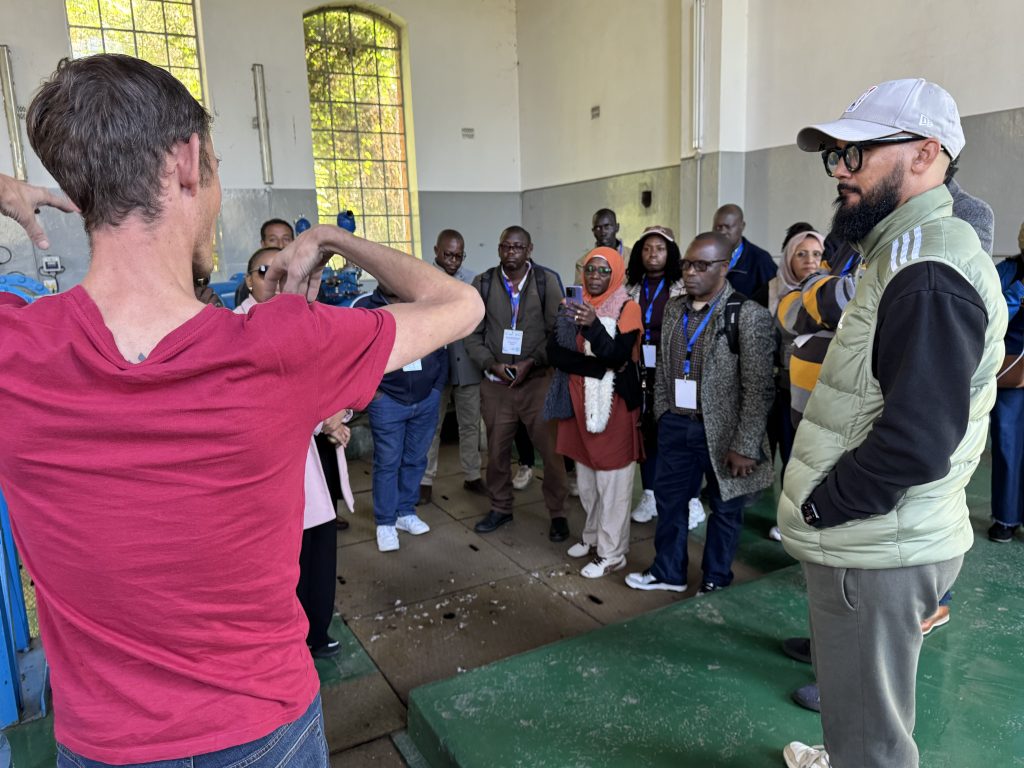
Uncovering the source: Prof. Matthys Dippenaar from the University of Pretoria gives delegates an inside look at the history, mechanics, and vital importance of the Pretoria Springs to the City of Tshwane.