


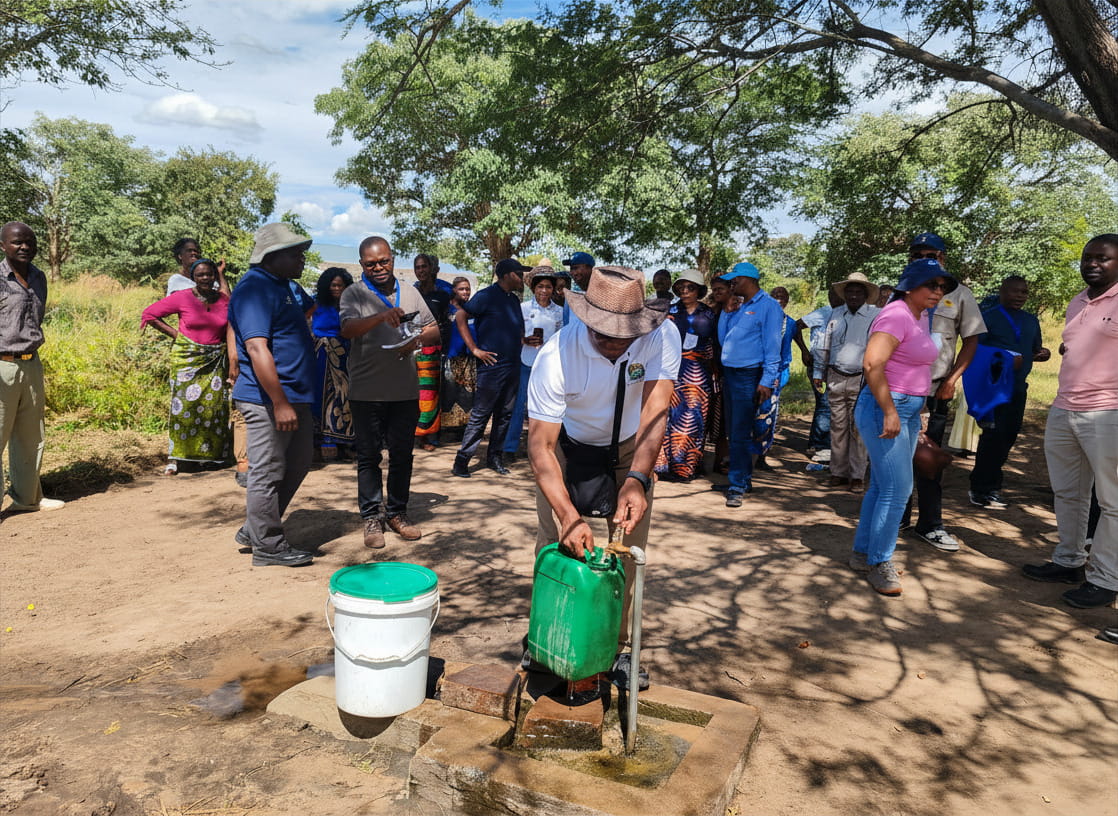
United by a shared goal: Access to clean water. SADC-GMI and our partners are proud to stand with the Kazungula community as they experience the life-changing impact of local, sustainable groundwater. Reliable, safe water is no longer a luxury, but a reality for everyone here.
Ending the Long Walk: How the Kazungula Water Supply Project is Changing Lives Today
Situated on the northern bank of the Zambezi River, approximately 70 kilometers west of Livingstone, the Kazungula District was facing a critical water crisis. Climate change severely disrupted the community’s traditional water sources—primarily sporadic rainfall and the Ngwezi River—rendering them insufficient to meet local water demand. The intensification of drought and increasingly unpredictable rainfall patterns persisted for years, posing a significant threat to livelihoods and the overall stability of the communities.
To address these challenges, there was an urgent imperative to develop sustainable groundwater resources to supplement water supplies. Securing reliable access to water was essential for supporting education, healthcare, economic productivity, and environmental preservation in Muzumi and Sihumbwa villages. In response to the SADC-GMI call for proposals, the Government of the Republic of Zambia proposed the Groundwater Mapping and Development at Sihumbwa Basic School in Kazungula District, Southern Province, Zambia, as a strategic intervention to strengthen water resilience and improve the community’s long-term well-being.
The water challenges faced by the Kazungula District (Muzumi and Sihumbwa) villages are now a distant memory, thanks to the dedicated efforts of the SADC Groundwater Management Institute and the Ministry of Water Development and Sanitation – MWDS (Zambia). With generous funding from the Global Environment Facility (GEF) and the Cooperation in International Waters in Africa (CIWA), channeled through the World Bank, these organizations have successfully brought a transformative water supply project to fruition in the Kazungula District, Muzumi, and Sihumbwa villages.
Completed by the close of 2025, this initiative was designed to improve access to clean water for 74 households in Sihumbwa village (290 individuals) and Sihumbwa primary school, ensuring that learners and their families have a reliable water source.
Additionally, the project extends its reach to serve 70 households in the nearby Muzumi village, significantly improving the quality of life and health for approximately 280 community members. The positive impact of this project marks a pivotal moment in the region’s ongoing quest for sustainable water solutions.
Before the project’s implementation, women and girls faced a daunting 13-kilometer trek to reach the nearest water source at the Ngwezi River and a single low-yielding borehole that often dried up during the dry season. This long and perilous journey not only put them at risk of various dangers, but also cost them valuable time that could have been spent on other productive activities. However, the successful completion of this project has brought about a significant transformation. Now, both communities have easier access to water, empowering them to invest their time and energy into more rewarding pursuits.
Lawrence Mubala, a dedicated community member from Muzumi, has been a resident for an impressive 49 years. Throughout his life in this close-knit community, he has witnessed the persistent challenges posed by water scarcity, which have significantly hindered the community’s ability to thrive and engage in productive activities.
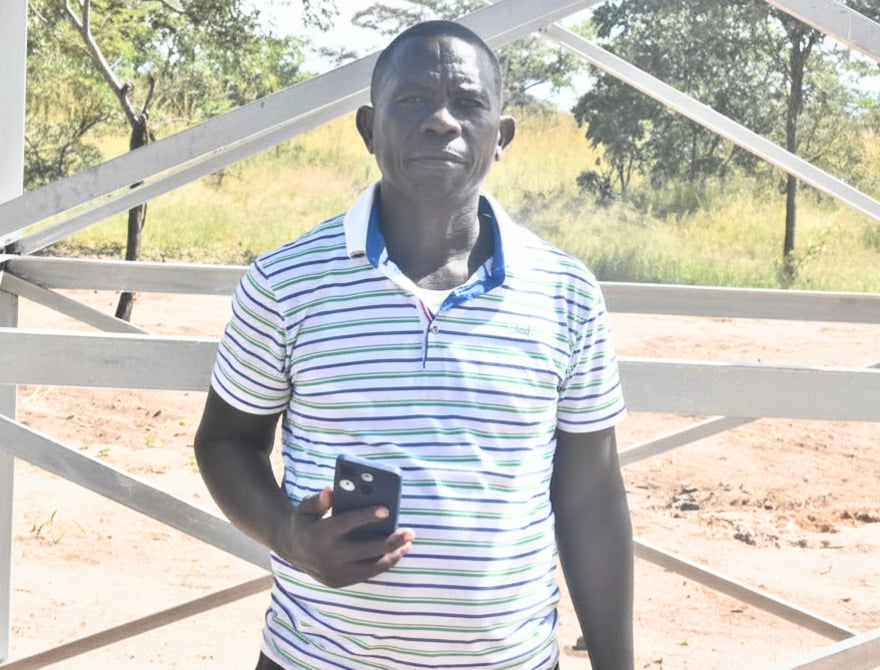
‘I can finally farm effectively.’ For Lawrence, the Kazungula Water Supply Project is more than just a tap – it’s the start of a more productive, sustainable future for his family.
Lawrence, a devoted husband and father of six, has spent the last 25 years cultivating crops on his farm. His fields flourish with maize, groundnuts, sunflowers, and sorghum, staples that not only provide sustenance for his family but also serve as his primary source of income. However, the unpredictability of rainfall has often cast a shadow over his efforts, leading to disappointing harvests, particularly during dry years. This scarcity has not only impacted his agricultural yield but also taken a toll on his family’s well-being, as farming is the sole means by which he supports them. Lawrence’s heartfelt concerns reflect the broader struggles of his community, where reliable water sources are critical to survival and prosperity.
For many years, he recounts the struggle of living in a community plagued by a severe water shortage that hampered both drinking and agricultural needs. The scarce water supply had to be shared not only among the families but also with livestock, a situation that often led to the spread of waterborne illnesses such as diarrhea and dysentery among residents.
This lack of water deeply impacted the educational environment at Sihumbwa Primary School, as his children frequently missed classes due to the unavailability of clean water. Without a source of drinking water at school, the children were forced to lug heavy bottles from home, just to sustain themselves and maintain basic sanitation during their school day.
However, the situation has transformed remarkably. Now that there is a reliable water source, his children look forward to attending school again, a positive change that resonates throughout the community. This newfound access to clean water has not only enhanced the kids’ educational experience but also fostered a renewed sense of hope and well-being for everyone in the area.
Sihumbwa Primary School, a key beneficiary of the community development project, is filled with excitement about the newly established water source, which has transformed the lives of about 600 learners and 7 teachers. Mr. Lanest Hamatika, the school Headmaster, proudly shared that preparations for the ploughing season in the newly established school garden are in full swing, with learners and teachers working diligently to enrich the soil.
In addition to agricultural activities, the school has initiated an engaging educational program to teach learners about the diverse array of vegetables they will cultivate. This program focuses on imparting essential knowledge on planting techniques and the proper care required for the plants to thrive until harvest.
The introduction of a reliable water supply has far-reaching benefits. Besides providing safe drinking water for learners and teachers, it also enhances food security and promotes proper sanitation. This advancement contributes significantly to the overall dignity and well-being of the school community. The local clinic is also a beneficiary of the project.
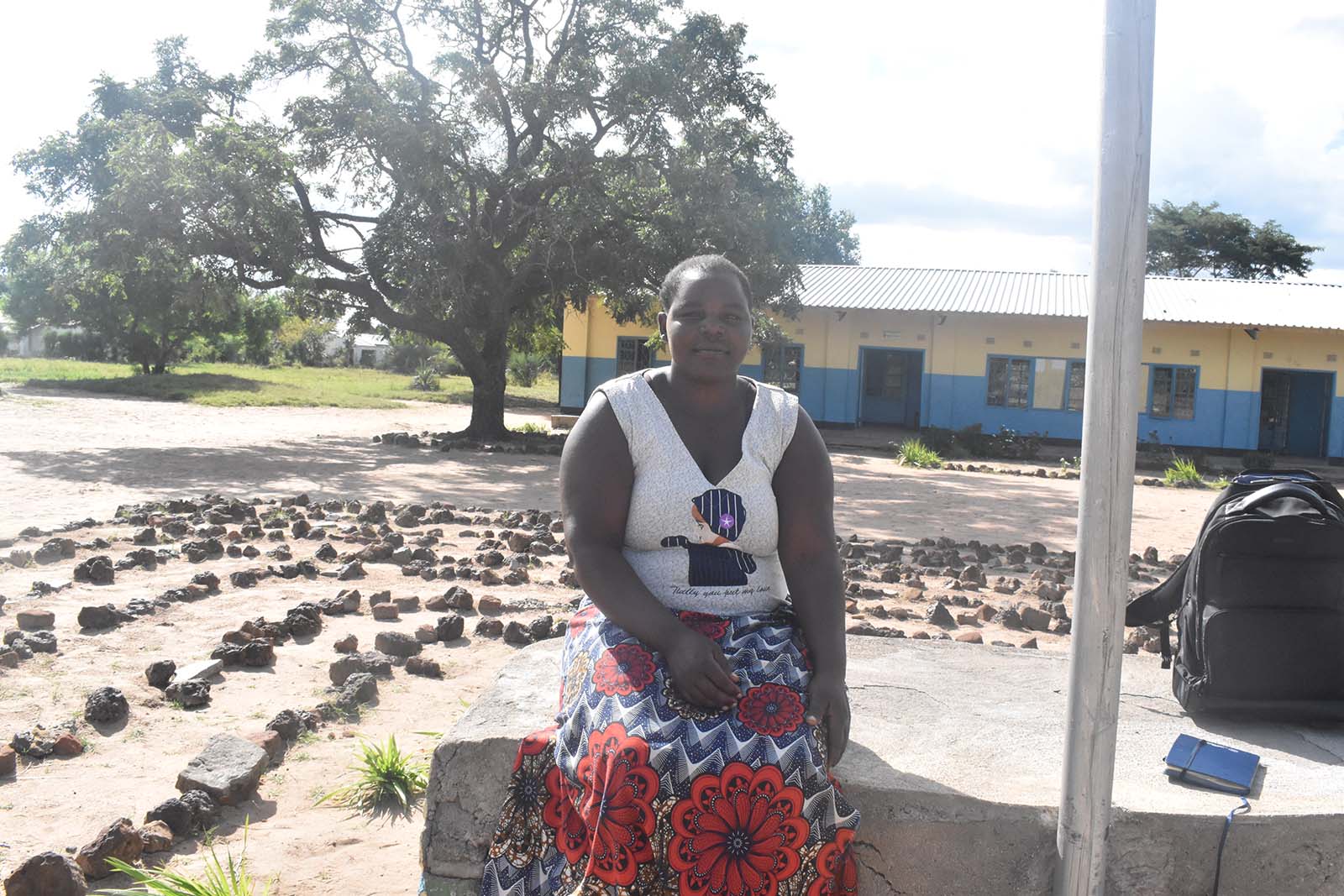
Our lives have truly changed.’ Evelyn shares how the new water source is transforming daily routines, making hygiene easier and safer for women and families across the community.
Evelyn Mayaba, a vibrant 29-year-old farmer in the community, is filled with joy at the prospect of the new water supply project. Married and a devoted mother, she juggles the responsibilities of her family, which include a spirited 12-year-old daughter and an energetic 3-year-old son. Evelyn embarked on her farming journey in 2015, and she and her husband rely wholly on their agricultural endeavours to sustain their livelihoods.
Reflecting on the challenges they faced before the project’s completion, Evelyn recalls the harsh drought that gripped their land. In desperation, they moved their farming to plots along the Ngwezi River, a considerable distance from their home. The long trek to the river was a difficult choice, but with no rain in sight, it was their only option. They used the river’s water to irrigate their crops, allowing them to cultivate and harvest despite the parched conditions.
Now, with the introduction of a new reliable water source, Evelyn feels an overwhelming sense of relief and optimism. She says they can cultivate their crops right in their own backyard, making their daily lives easier. This new access to water not only supports their farming activities but also provides them with clean drinking water, significantly improving their quality of life. The transformation in their environment uplifts Evelyn and her family, sparking hope for a more prosperous farming season ahead.
From a woman’s perspective, the situation was truly dire. Women faced the challenges of their menstrual cycles without access to adequate water, which not only affected their comfort but also their health. Hygiene became a significant concern, particularly for young girls striving to keep up with their education. Many found themselves unable to attend school during their monthly cycles, resulting in missed learning and development opportunities. This lack of support not only hindered their education but also contributed to feelings of shame and isolation during a natural part of life.
Evelyn expressed her heartfelt gratitude to the Government of the Republic of Zambia (Ministry of Water Development and Sanitation) for its unwavering support and commitment to improving local infrastructure. She also acknowledged the valuable contributions of the SADC Groundwater Management Institute (SADC-GMI), the Global Environment Facility (GEF), Cooperation in International Waters in Africa (CIWA), and the World Bank. Evelyn highlighted the significant impact this transformative project has had on their community, emphasizing that it has improved access to clean water and sanitation, ultimately enhancing their quality of life.
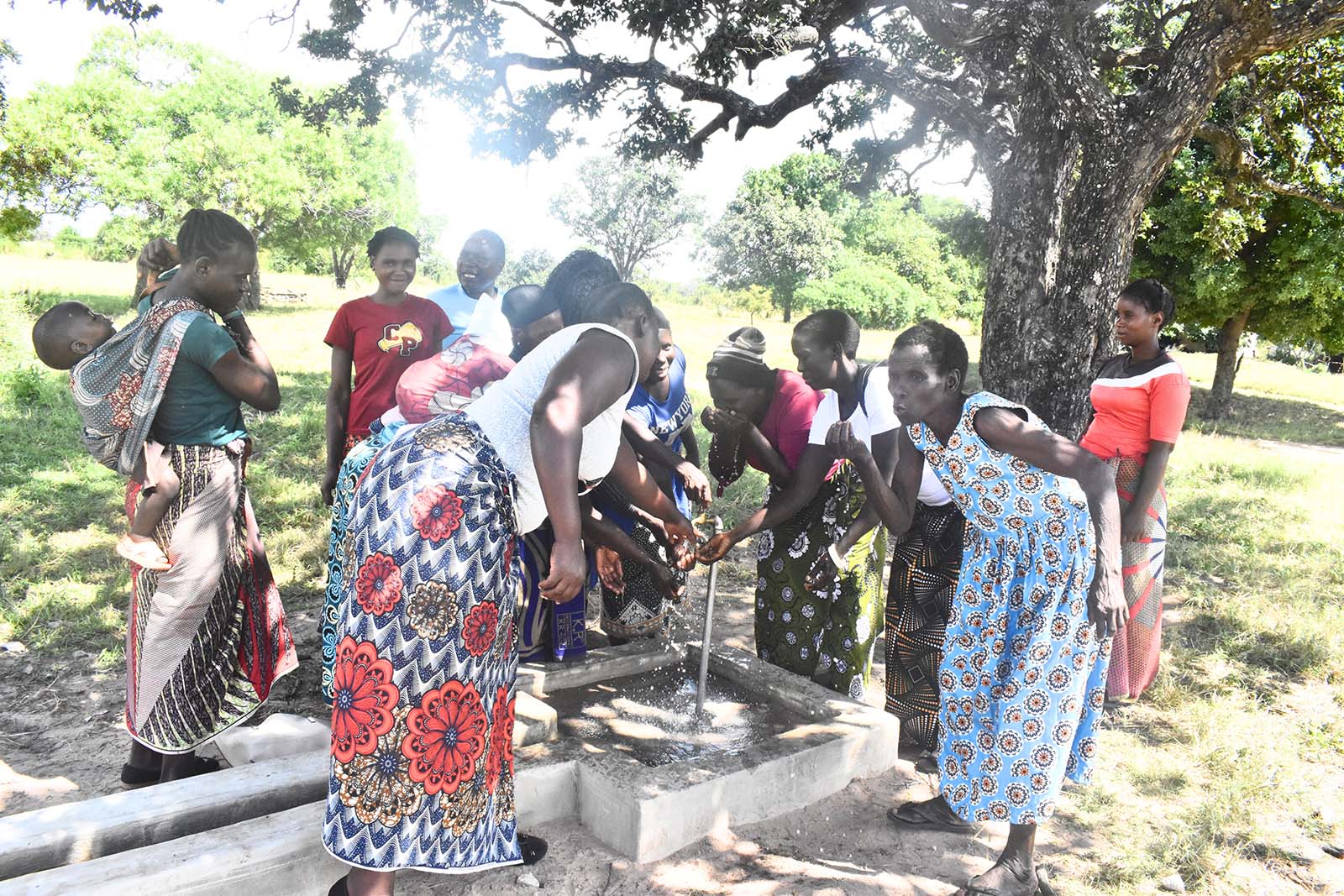
A moment of pure joy! 💧 The community gathers at the new communal tap to share in the gift of fresh, accessible water. A simple tap, a profound difference.”